Neck & back pain
The ache that has been there for months, and the one that arrived overnight.
Read more about Neck & back painPhysiotherapy in Parktown North
A large share of persistent headaches are coming from the jaw joint or the upper neck, and are treatable. Most people have not been told that, and have spent years managing them with tablets instead.
Does this sound familiar
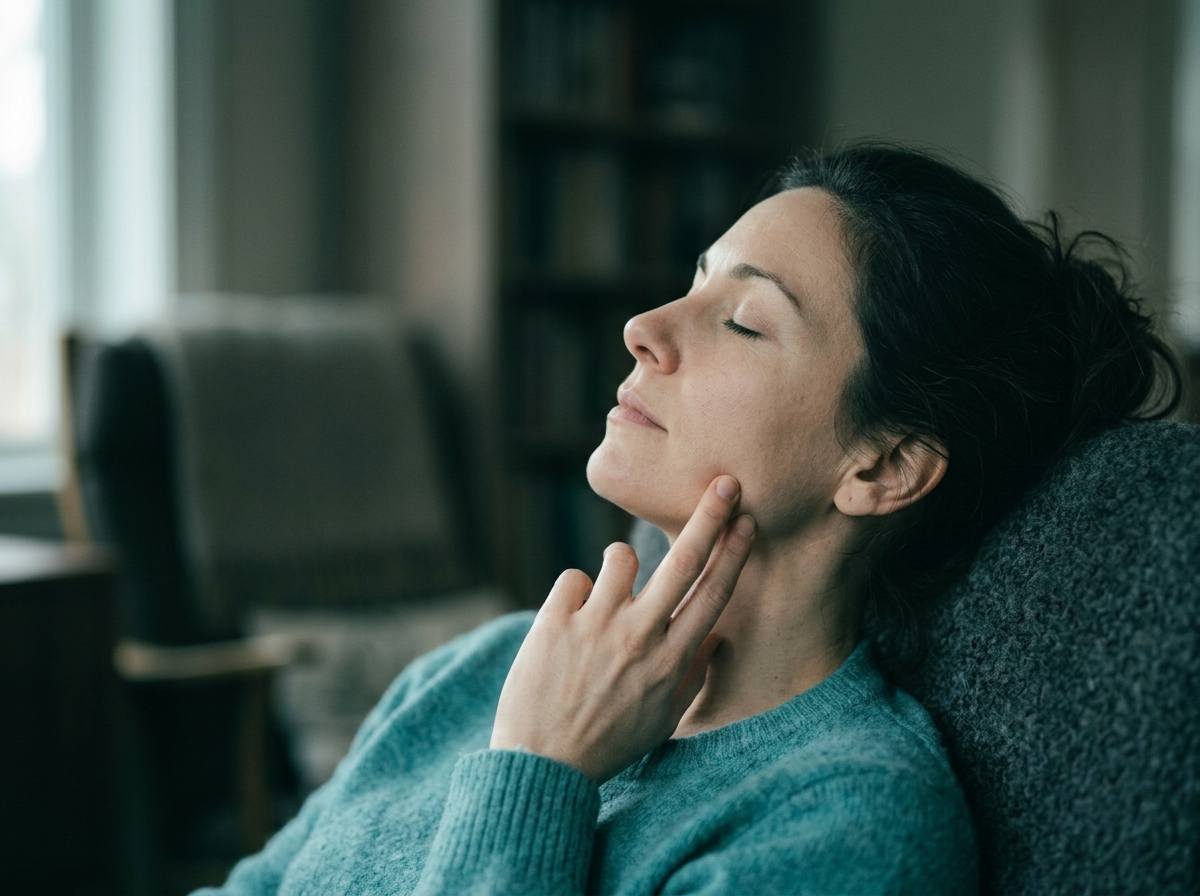
What happens
Every patient is different, but the shape of the work is consistent — and you will always be told what is happening and why.
Assessment of the jaw joint, the chewing muscles and the upper neck together, because these headaches often come from the relationship between them rather than from one alone.
Hands-on treatment of the jaw and upper neck, including intra-oral techniques where they are indicated and you are comfortable with them, plus dry needling where it helps.
Clenching habits, desk and screen position, sleep posture and breathing patterns. This is the part that stops it returning.
Where a splint or dental treatment is part of the answer, Rikki will say so and work alongside them rather than around them.
Worth knowing
The jaw joint and the muscles that close it are supplied by the trigeminal nerve, which also carries sensation from the face and much of the head. Pain arising at the joint or in an overworked chewing muscle is therefore experienced across the temple, around the ear, behind the eye or as a band across the front of the head — which is to say, as a headache, with no obvious connection to the jaw at all.
Add to that the upper neck, which refers pain into overlapping territory, and you have the reason this is missed so consistently. The patient reports headaches. The jaw is never examined, because nothing about the complaint points at it. Years of managing symptoms follow.
The clues, when you look for them, are fairly specific. A jaw that clicks, catches or will not open as wide as it used to. Waking with a tight, tired jaw or aching temples. Pain around the ear or cheek that the dentist has already investigated and found no dental cause for. Symptoms that get noticeably worse in a stressful month.

Worth knowing
Daytime clenching is generally a habit tied to concentration and stress: the teeth are held together for long stretches while working, driving or in a difficult conversation. Most people are entirely unaware of it, and the giveaway is that the jaw is tired by the afternoon rather than sore on waking.
Night-time grinding happens during sleep and is not under conscious control. It tends to show as a jaw that is worst first thing in the morning, headaches on waking, and tooth wear that a dentist notices before the patient does.
They matter separately because they are addressed differently. A habit can be interrupted once you can feel it happening, and a good deal of the treatment is teaching you to notice it. Sleep grinding cannot be interrupted, so the work goes into reducing the load the muscles and joint are carrying, and into managing the consequences alongside your dentist.
Worth knowing
A dental splint and physiotherapy do different jobs, and the combination is usually better than either alone. A splint protects the teeth and takes some of the load off the joint. It does not retrain the muscles that are producing the load, restore movement to a stiff joint, or address the upper neck that is frequently part of the same picture.
So where a splint or other dental treatment is part of the answer, Rikki will say so and work alongside your dentist rather than around them. Where the problem is muscular and cervical rather than dental, that is worth knowing too — it saves a great deal of money and time.
Treatment itself covers the jaw joint, the chewing muscles and the upper neck together, and includes intra-oral techniques where they are indicated and you are comfortable with them. They are always explained first, and always optional.
Worth knowing
It is the service people are most surprised by. As one patient put it on Google: Rikki has helped with chronic headaches, neck pain, a strained hamstring and even TMJ. If you have been managing headaches for years without anyone examining your jaw, it is worth an assessment.
Before you book
Often they are coming from both, which is part of why the assessment covers them together rather than choosing between them. Jaw-driven headaches tend to sit around the temple, ear and cheek and are worse with chewing, clenching or a wide yawn. Neck-driven headaches usually start at the base of the skull, stay on one side and worsen with sustained posture.
Migraine is a different problem again, and if the picture looks like migraine you will be told so rather than treated for something else.
Sometimes, and sometimes not. A splint protects the teeth and reduces load, which is valuable if you grind at night and are wearing your teeth down. It does not by itself retrain a clenching habit, free a stiff joint or address the neck.
If a splint is part of the right answer for you, Rikki will say so and work with your dentist. If your problem is muscular, that is worth knowing before you spend on one.
They are treatment of the chewing muscles from inside the mouth, with a gloved hand, and they reach muscles that simply cannot be treated from the outside. They are used only where they are indicated, they are explained before anything happens, and they are entirely optional — a great deal can be done without them if you would rather not.
Jaw and headache presentations vary widely, and honest ranges run from a few weeks for a recent, mechanical problem to several months where a long-standing clenching habit and a stiff neck are both involved. You will get an estimate at the first appointment and a review of it if the response is not what was expected.
Stress is very often the load rather than the diagnosis. It does not create a jaw joint problem out of nothing, but it reliably increases clenching, and clenching is what overloads the joint and the muscles. Which is why the treatment covers both halves: settling the tissue that is currently painful, and reducing what keeps loading it.
Also treated here
The ache that has been there for months, and the one that arrived overnight.
Read more about Neck & back painNext step
Book online at any hour, or send a WhatsApp if you would rather describe the problem first and be told honestly whether physiotherapy is the right call.