About the practice
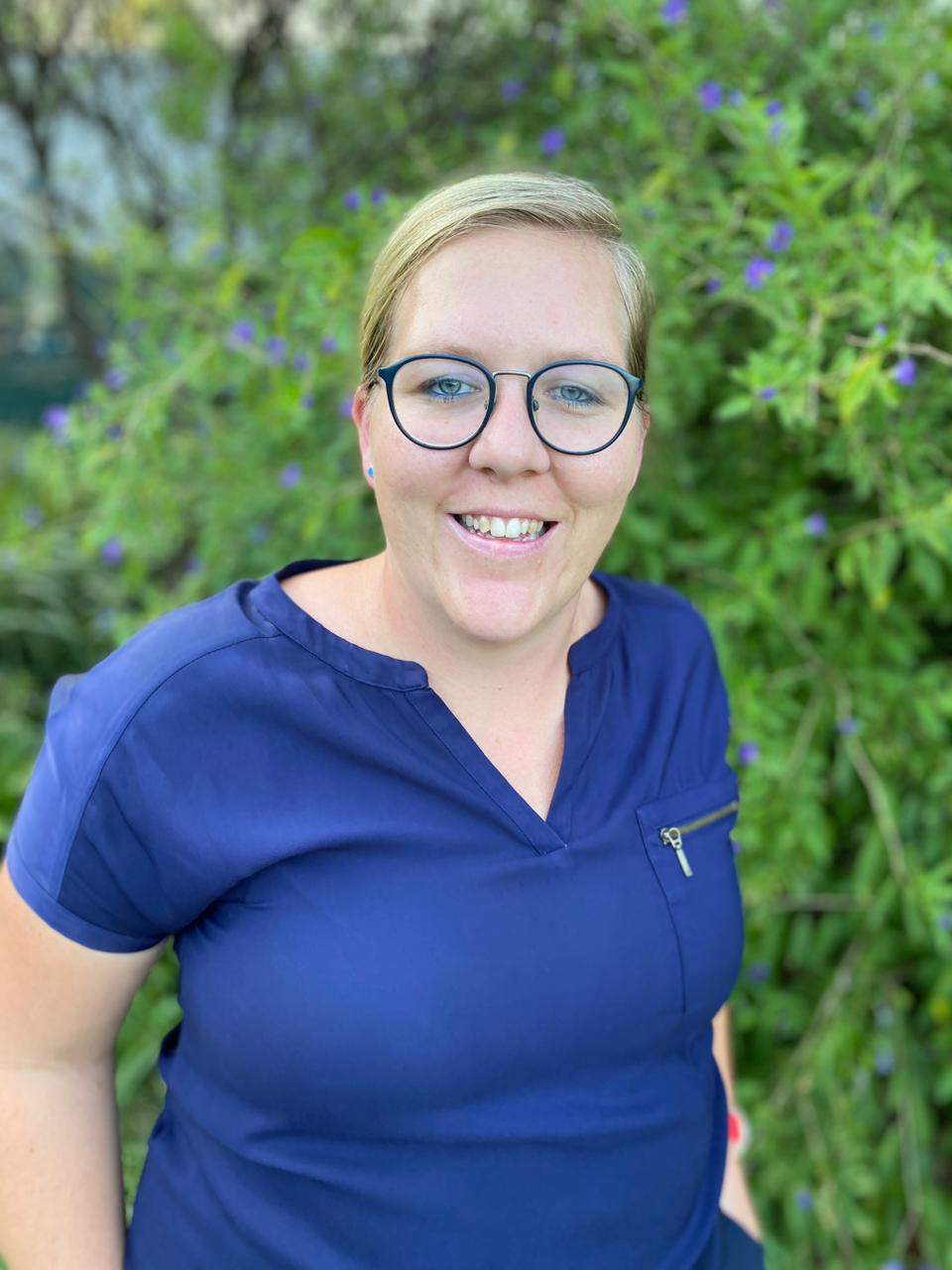
Rikki Malherbe
Physiotherapist, certified Pilates instructor, and the only person you will see at this practice.
Background
Fifteen years of asking better questions
Rikki qualified in physiotherapy at Stellenbosch University in 2011, then spent her first eighteen months in practice in Hoedspruit — a rural posting that teaches you to work things out with your hands and your judgement rather than a waiting room full of equipment.
She came back wanting to be better at a narrower thing, and specialised into sports and orthopaedic injury rehabilitation. That is still the core of the practice: athletes, active people, and patients recovering from surgery. She works closely with several orthopaedic surgeons, whose protocols shape the rehabilitation of their patients here.
Alongside that she qualified as a certified Pilates instructor, which means the exercise side of your recovery is designed and taught by the same person who assessed and treated you — not handed off with a printed sheet.
And she still treats a great deal of ordinary, stubborn neck and back pain, which is most of what comes through the door and which she has no intention of giving up.
Approach
Holistic is an overused word. Here is what it actually means.
It means the thing that hurts is rarely the whole story, and that finding the rest of it takes time in the room with you.
Listening to your patient is the most important tool one can master. Rikki Malherbe
Treatment brings together hands-on work, movement retraining, Clinical Pilates and a home programme — not because a longer list is better, but because pain that keeps coming back usually needs more than one of them.
What to expect
How this practice works
- You are assessed before you are treated. If the cause is not clear, we keep looking rather than treating the loudest symptom.
- One practitioner, start to finish. Nobody has to be brought up to speed on your history halfway through.
- You leave knowing what is wrong, in plain language, and roughly how long it should take.
- Treatment includes what you do between appointments, because that is where most of the recovery happens.
- If physiotherapy is not the right answer, you will be told, and pointed at what is.
Qualifications
On the record
- BSc Physiotherapy, Stellenbosch University, 2011
- Registered with the Health Professions Council of South Africa
- Certified Pilates instructor
- Post-graduate focus in sports and orthopaedic rehabilitation
- Works alongside orthopaedic surgeons on post-operative protocols
2011
Stellenbosch, and then the Lowveld
The physiotherapy degree at Stellenbosch is a four-year clinical qualification, and the part that shapes a practitioner is not the anatomy — it is the years of supervised clinical placements, where you are handed a real patient with an unclear problem and expected to work it out in front of someone who already knows the answer.
What followed mattered more. Rather than a city practice with a full waiting room and a machine for every complaint, Rikki spent her first eighteen months in practice in Hoedspruit, in the Lowveld. A rural posting is a particular kind of education. There is no one down the corridor to refer the difficult case to, the equipment is whatever you brought, and the patient in front of you has usually travelled a long way and is not coming back next Tuesday to see how it went.
You learn to examine properly, because the examination is all you have. You learn to treat with your hands, because that is what is in the room. And you learn to explain clearly, because the home programme has to work without supervision.
Those three habits are still the shape of this practice, fifteen years and a very different city later.

Narrowing down
Choosing sports and orthopaedics
She came back from the Lowveld wanting to be better at a narrower thing, and specialised into sports and orthopaedic injury rehabilitation. That has been the core of the practice ever since: athletes, active people who intend to stay that way, and patients recovering from surgery.
The orthopaedic half is the one patients tend to underestimate. A good operation and a poor recovery still produce a poor result, and the weeks after surgery are where a great deal of that outcome is decided — which is why Rikki works closely with several orthopaedic surgeons and builds rehabilitation from their protocol for your procedure, rather than from a general template. Where the surgeon’s restrictions differ from the usual pattern, the surgeon’s restrictions win.
The sports half is broader than the word suggests. It covers club athletes and school teams, but most of it is people who run three times a week, ride on a Sunday, lift at a gym or walk a dog around Emmarentia Dam, and would simply like their body to keep up with what they ask of it. The principles are identical; only the target changes.
And she still treats a great deal of ordinary, stubborn neck and back pain, which remains most of what comes through the door and which she has no intention of giving up.

Why it stays small
One physiotherapist, on purpose
A single-practitioner practice is a commercial decision as much as a clinical one, and it is worth being honest about the trade-off. It means fewer appointment slots, less flexibility when the diary is full, and no cover during a week away. Larger practices win on all three.
What it buys is continuity. Nobody has to be brought up to speed on your history halfway through a course of treatment. The person who felt what your shoulder did in week one is the person deciding what to load in week six, and the difference between the two is information that never has to be written down or handed over — because it never leaves the room.
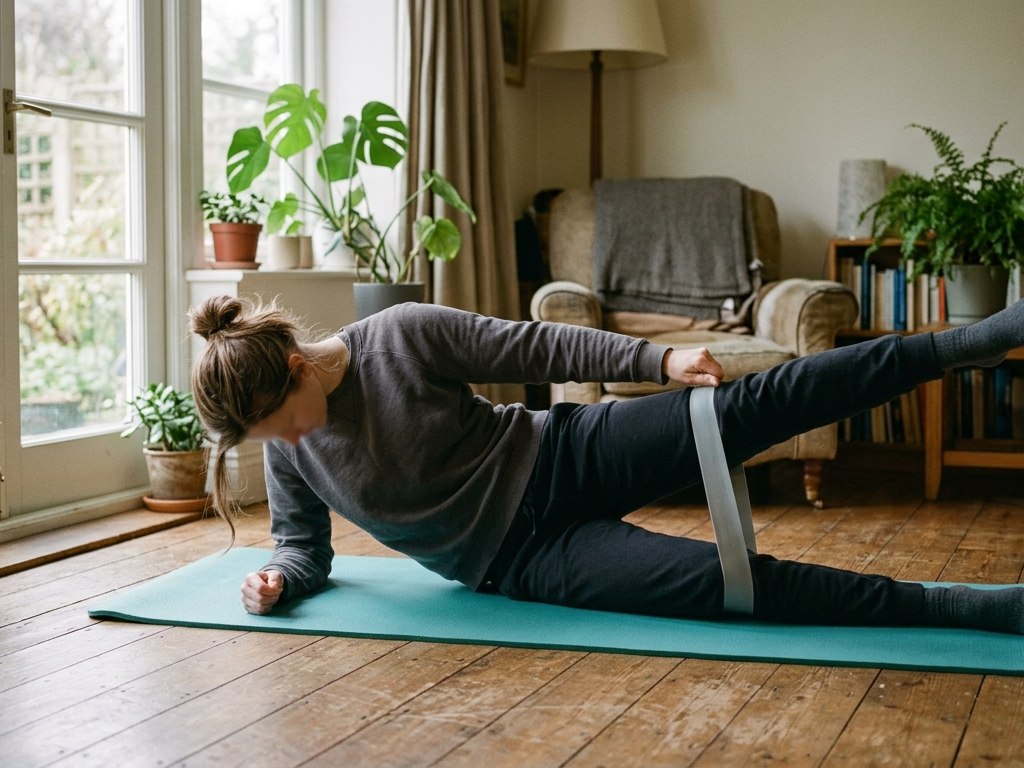
It also means the exercise and the hands-on treatment are designed together. Rikki is both the physiotherapist and a certified Pilates instructor, so the Clinical Pilates programme is not a referral to someone who has to work backwards from a note. The treatment makes the exercise possible; the exercise makes the treatment last. Splitting them across two people is where a lot of rehabilitation quietly loses its thread.
The caseload
Who actually walks through the door
Fifteen years in one part of a city produces a fairly specific mix, and it is broader than the phrase “sports physio” suggests.
There are the desk-driven presentations, which are the largest single group: necks, upper backs, tension headaches and jaws that are being clenched without their owner having noticed, mostly arriving from the offices around Rosebank and the many dining tables of Parkhurst and Parktown North that have been doing duty as desks since 2020.
There are runners and cyclists, in numbers that reflect the Braamfontein Spruit running through half the suburbs on the practice’s list. There are gym-going patients from Greenside with shoulders and lower backs, and paddlers and club athletes from Emmarentia. There are teenagers in term time with hockey, rugby, netball and athletics injuries, most of which have been played through for a fortnight before anyone booked anything.
There are post-operative patients rehabilitating knees, hips, shoulders and spines, a good share of them operated on at hospitals a few minutes from the rooms. There are older patients from Linden and Westcliff with arthritic joints and a firm intention to stay in the houses they are in — which makes the stairs and the driveway the actual rehabilitation target rather than an abstraction.
And there are the people who have had headaches for years, have never had anyone look at their jaw, and did not know that was a thing physiotherapy did. That one surprises people most.
Questions
About the practice
Rikki, every time. This is a single-practitioner practice, so the person who assesses you is the person who treats you, programmes your exercises and remembers your history without reading it off a screen.
That is the main reason appointments are not stacked three deep, and the main reason the practice does not grow into something larger.
The Health Professions Council of South Africa is the statutory body that regulates health professions under the Health Professions Act, and registration with it is what makes practising physiotherapy in South Africa legal. It sets the education standards, the scope of practice and the code of conduct, and it requires ongoing professional development every year.
Practically, for a patient, it means there is a body you can check a practitioner against and complain to, which is worth more than any claim made on a website.
Yes. Sports injuries in school-age children and teenagers are a regular part of term time — hockey, rugby, netball and athletics in particular — and growing athletes need a different approach from adults rather than a smaller version of the same one.
She also treats babies and small children needing chest physiotherapy, which is very often better done at home.
Both, and that is deliberate rather than incidental. It means the exercise half of your rehabilitation is designed and taught by the person who assessed and treated you, so a movement that is wrong for your particular back is left out of the programme instead of modified on the fly by someone who was not in the room for the diagnosis.
There is more on the Clinical Pilates page.
You will be told, and told who to see instead. Not everything that hurts is a physiotherapy problem, and a practice that only ever concludes it can help is not much use in working out whether it can.
Next step
Come and be listened to
Book an assessment and you will leave with a clear idea of what is wrong and what happens next. Book online, or send a WhatsApp if you want to ask something first.