Neck & back pain
The ache that has been there for months, and the one that arrived overnight.
Read more about Neck & back painPhysiotherapy in Parktown North
This is not a class you join at the back of. Rikki is both a physiotherapist and a certified Pilates instructor, so the programme is built from your assessment and changes as you do.
Does this sound familiar
What happens
Every patient is different, but the shape of the work is consistent — and you will always be told what is happening and why.
What your body is actually doing when it moves, where the control is missing, and what that means for your specific history.
Exercises chosen for your injury and your goals. If a movement is wrong for your back, it is not in your programme, however standard it is.
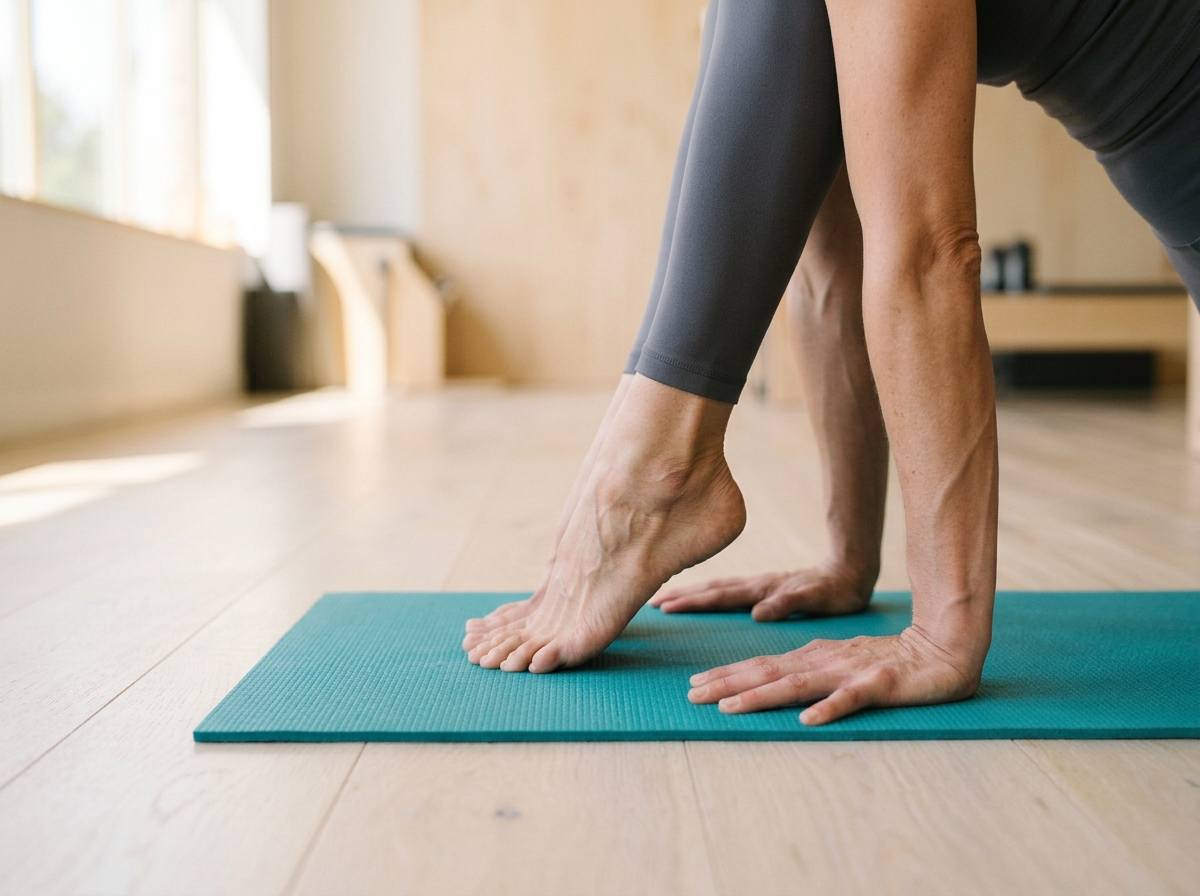
Precision matters far more than repetitions. Sessions are individual, so technique is corrected as you go rather than missed in a room of ten.
The programme moves when you do. It is rehabilitation with a clear direction, not an indefinite standing appointment.
Worth knowing
It is not a marketing adjective. Clinical Pilates means the session begins from a physiotherapy assessment and is designed as rehabilitation, by someone qualified to diagnose the problem it is meant to address. Rikki is both a physiotherapist and a certified Pilates instructor, so there is no handover between the person who worked out what is wrong and the person deciding what you should be doing about it.
Studio Pilates is a good thing and a different thing. It is led by an instructor with a fitness qualification, it is aimed at general strength, mobility and wellbeing, and it is taught to a room. That works well for a healthy body. It is a poor fit for a body with a specific problem, because the class cannot be built around your injury and the instructor is not in a position to know which standard movements are wrong for your particular back.
The practical difference shows up in what is left out. In a clinical programme, a movement that loads the structure you are trying to protect is simply not in the programme, however standard it is and however much everyone else is doing it.
Worth knowing
It suits the stage after treatment better than it suits the middle of an acute flare. The typical patient is someone whose pain has settled, who is no longer improving from hands-on work alone, and who keeps ending up in the same place a few months later. That is a capacity problem, and capacity is built with graded exercise rather than with treatment.
It suits the gap after an injury or an operation, when you are out of pain but a long way from your previous strength — the phase where most people simply return to what they used to do and discover the hard way that the middle bit was necessary.
And it suits people who have had the same injury more than twice, because a third recurrence is rarely bad luck.
It is not the right first step for an acutely locked back, an undiagnosed pain, or a chest or jaw problem. In those cases the assessment comes first and the Pilates comes later, if at all.
Worth knowing
One at a time, not in a class. Precision is worth more than repetitions here, and technique that is wrong on the first repetition is simply being rehearsed by the twentieth — which is the specific thing a room of ten people makes impossible to catch.
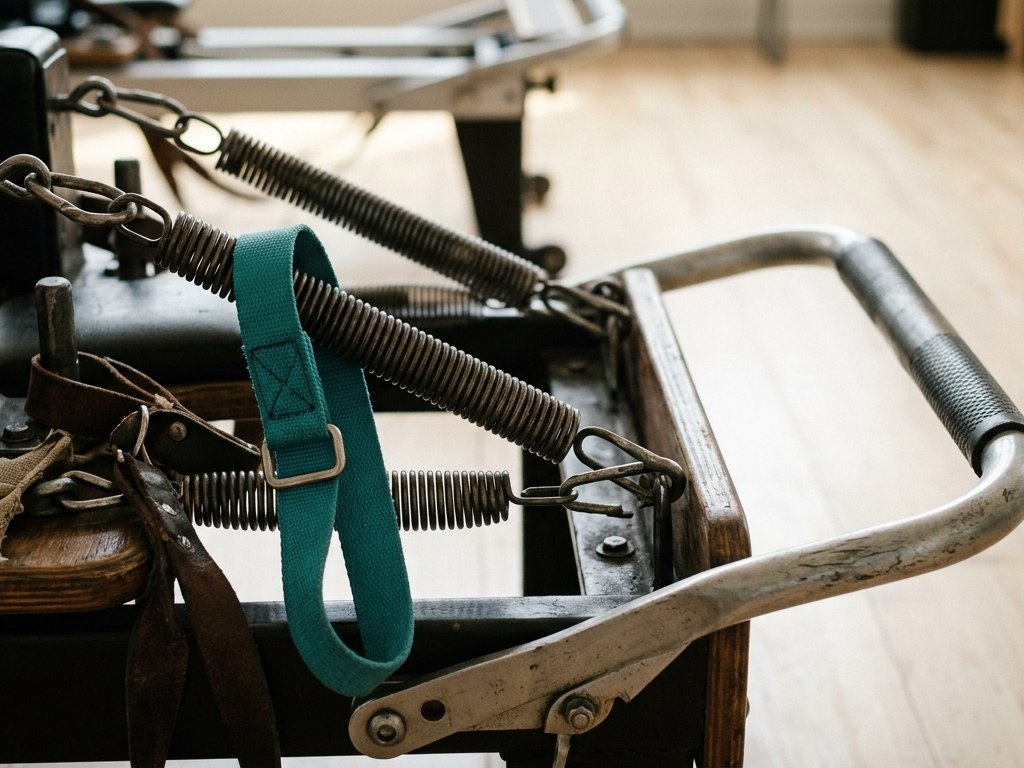
Sessions use both mat work and equipment. The reformer and its springs allow a movement to be assisted rather than only resisted, which is what makes it useful early in a rehabilitation: you can load a joint through a controlled range at a fraction of body weight and build from there.
The programme moves when you do. It is a course of rehabilitation with a direction and an end, not an indefinite standing appointment — and where the goal is long-term maintenance, you should end up equipped to do most of it without an appointment at all.
Worth knowing
Because the same person assesses you, treats you and programmes your Pilates, nothing gets lost between them. The exercise supports the hands-on treatment, and the hands-on treatment makes the exercise possible — which is what stops the same injury coming back a fourth time.
Before you book
No. A good share of patients here have never done any, and several arrive fairly certain they will be bad at it. Sessions are one-on-one and start from where you actually are, so there is nothing to keep up with.
Two things. It starts from a physiotherapy assessment of your specific problem, and it is taught by the physiotherapist who did that assessment. So the programme is built around your injury rather than around a class plan, and a movement that is wrong for your back is left out instead of modified on the fly.
A studio class is a perfectly good thing for a body without a problem. It is just not rehabilitation.
Earlier than most people assume, but not immediately. There is usually a period where hands-on treatment and basic range of movement come first, and the Pilates begins once the tissue can tolerate loading. After surgery, the surgeon’s protocol sets that timing.
The assessment will tell you where you are in that sequence.
It depends on your scheme and your specific plan, and on how the session is billed. Because these sessions are conducted by a physiotherapist as part of a rehabilitation programme, they are treated differently from a gym class — but benefit rules vary a great deal between plans and change annually.
Ask the practice before you book and ask your scheme what physiotherapy benefit you have left, particularly late in the year.
As long as it is still doing something, and no longer. The programme is progressed as you improve and has a direction rather than an open end. Many patients finish with a home programme they can maintain on their own, and come back when something changes.
Also treated here
The ache that has been there for months, and the one that arrived overnight.
Read more about Neck & back painThe weeks after surgery decide the result.
Read more about Post-operative rehabNext step
Book online at any hour, or send a WhatsApp if you would rather describe the problem first and be told honestly whether physiotherapy is the right call.