
Neck & back pain
The ache that has been there for months, and the one that arrived overnight.
Read more about Neck & back painPhysiotherapy in Parktown North
Seven areas, all treated by the same physiotherapist. If you are not sure which one you need, book a general assessment and it will be worked out in the room.
The ache that has been there for months, and the one that arrived overnight.
Read more about Neck & back pain

The weeks after surgery decide the result.
Read more about Post-operative rehab
Headaches that start in your jaw, or in your neck.
Read more about TMJ, jaw & headaches

Help clearing your chest and breathing more easily — adults and children.
Read more about Chest physiotherapy
Start from the symptom
Patients search for what hurts, not for the name of a treatment. So here are the nine sentences people actually arrive with, and where each one goes.
Some problems have a page of their own: knee pain, shoulder pain, ankle sprains, running injuries, dry needling.
If more than one of those applies, that is normal rather than confusing. Headaches, a stiff neck and a clenched jaw are frequently one problem wearing three names, and a recurring hamstring usually has a hip or a back underneath it. Because one practitioner covers all of it, the pieces get connected rather than referred around.
What runs through all seven
The seven pages differ in what they treat. They do not differ in how the work is done, and that consistency is most of the reason patients come back.
Assessment before treatment, every time. The painful structure is frequently not the failing one, so the examination covers the whole chain and the history covers what you actually do all day. A treatment chosen before the problem is understood is a guess with good technique.
An explanation you can repeat to someone else. You should leave the first appointment able to say what is wrong in plain language and roughly how long it should take. If you cannot, the explanation was not good enough.
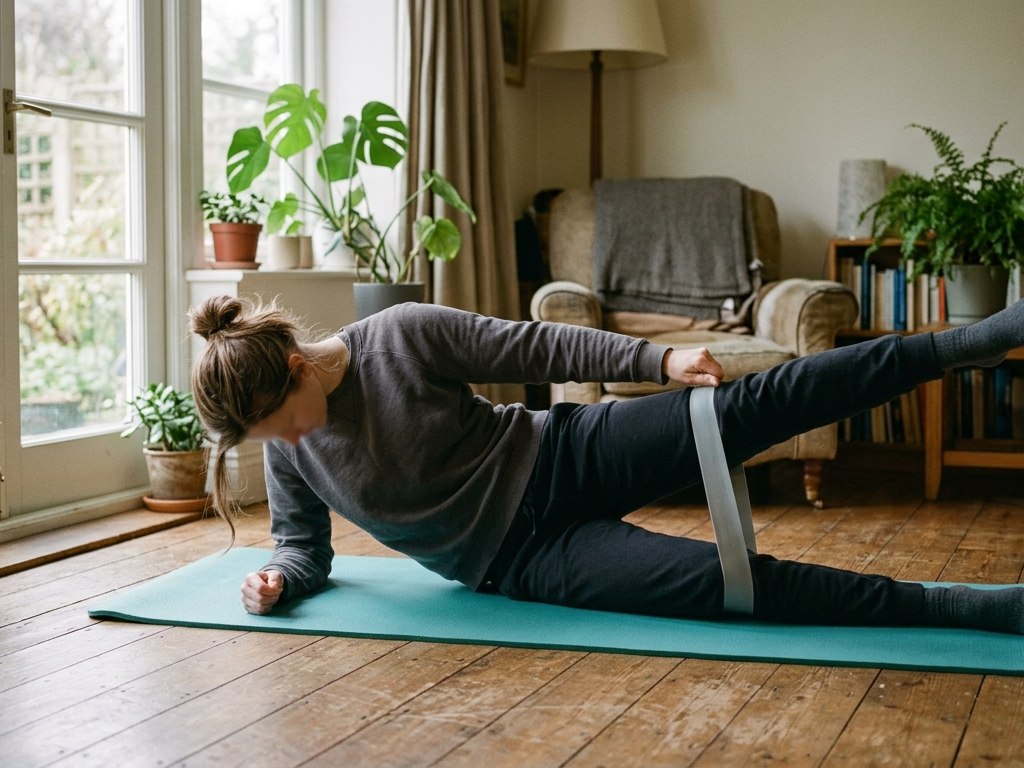
Something to do between appointments. Most recovery happens in the six days you are not here. The home programme is short, specific and progressed as you change — not a photocopied sheet of exercises.
An end, not a subscription. You get an honest estimate at the start and a reassessment if the response is not what was expected. This is not a practice that books an open-ended course of treatment.
Being straight about it
This is a musculoskeletal, orthopaedic and acute respiratory practice, and the seven services above are genuinely what it does rather than a list padded to look comprehensive.
Neurological rehabilitation after a stroke or spinal cord injury, paediatric developmental physiotherapy, and vestibular rehabilitation for dizziness and balance disorders are all specialised fields with practitioners who do nothing else. If that is what you need, you will be told and pointed at one of them, because being treated approximately by someone competent in a neighbouring field is worse than a short wait for the right person.
The same applies within a session. Not everything that hurts is a physiotherapy problem — some of it is a doctor’s, a dentist’s, a surgeon’s or a specialist’s. Saying so early is more useful than four appointments that do not change anything.
Before you book
A general assessment. It is the same first appointment whichever service you eventually end up under — history, examination, an explanation of what is wrong and usually treatment in the same session. Which category it falls into is Rikki’s problem, not yours.
If you would rather check first, send a WhatsApp describing what is going on and you will get a straight answer, including if the answer is that physiotherapy is not the right call.
Very often, and it is normal. Neck pain and headaches are frequently the same problem as a clenched jaw. A post-operative knee usually ends up in Clinical Pilates for its strength phase. A runner with recurring hamstring trouble generally has a back or hip issue underneath it.
Because one practitioner handles all of it, moving between them does not mean starting again with someone new.
Clinical Pilates sessions are booked separately from a treatment appointment, but they are not a separate relationship — the programme comes out of your physiotherapy assessment and is taught by the same person. If you are already being treated here, it is usually added at the point where hands-on work alone has stopped producing change.
This is a musculoskeletal, orthopaedic and acute respiratory practice. Neurological rehabilitation after a stroke or a spinal cord injury, paediatric developmental physiotherapy, and vestibular rehabilitation for dizziness are all specialised fields with their own practitioners, and you are better served by one of them.
If what you need is outside the scope here, you will be told and pointed at the right person rather than treated approximately.
Most of them. Assessment, hands-on treatment, post-operative rehabilitation and chest physiotherapy all travel perfectly well. Clinical Pilates is the exception for its equipment-based work, which is why patients typically start at home and move to the rooms once they are driving again.
That is genuinely common, and it is not a problem. Plenty of pain does not announce where it comes from — jaw tension shows up as a headache, a hip problem shows up in a knee. Book a general assessment, or send a WhatsApp describing what is going on, and Rikki will tell you honestly whether physiotherapy is the right call.
Next step
Online booking is open around the clock. If you would rather talk it through first, call or send a WhatsApp and Rikki will come back to you.